

Support to Ongoing, Current, and Future AU Peace Support Operations
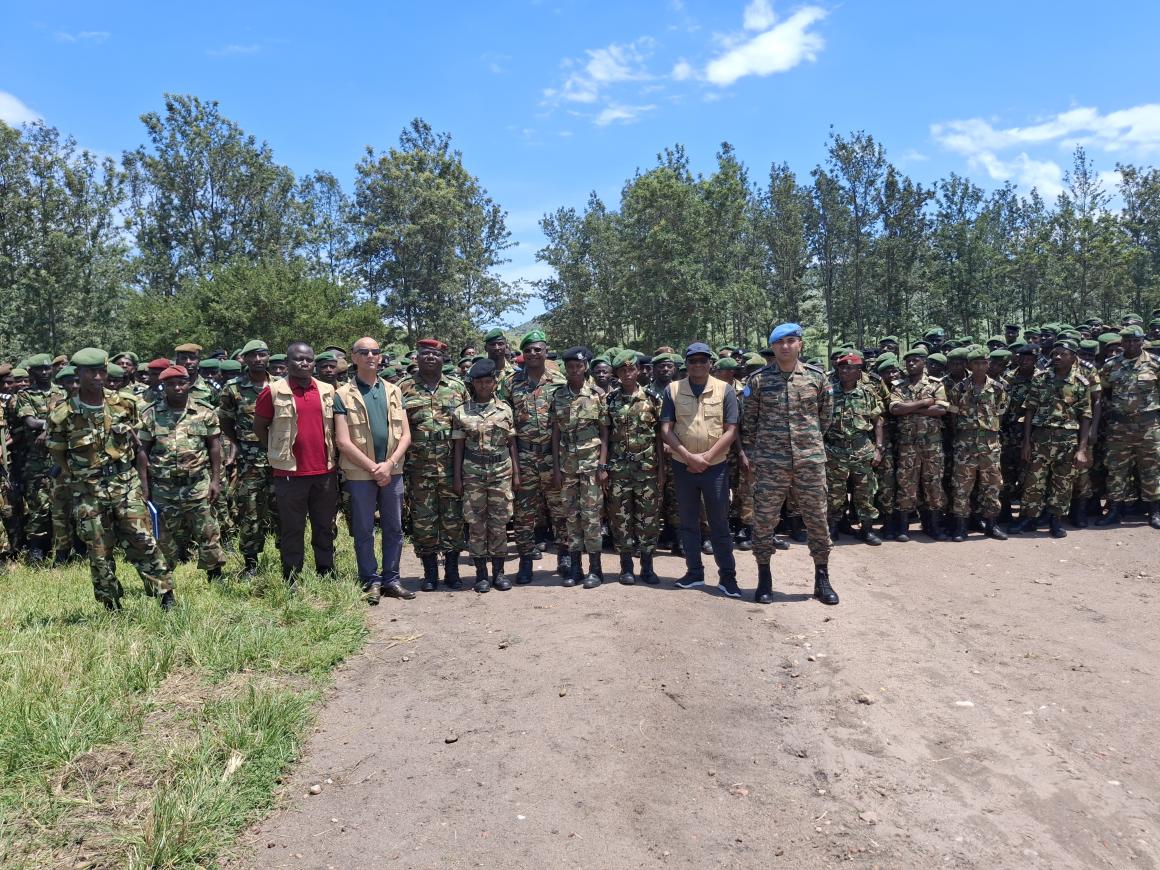
UNOAU translates the UN–AU Joint Partnership Framework into concrete, operational cooperation, thereby enhancing the effectiveness of African Union Peace Support Operations (PSOs). This includes support for the African Union Support and Stabilization Mission in Somalia (AUSSOM) and the Multinational Joint Task Force (MNJTF). UNOAU provides technical advice and operational support to the African Union during joint assessment and benchmarking missions, threat assessment missions, and contributes to force generation efforts by participating in pre-deployment verification missions for military contingents. Additionally, UNOAU conducts Assessment of Operational Capabilities (AOC) for AU Formed Police Units and Assessment for Mission Service (AMS) to ensure critical quality control and evaluate police personnel and units prior to deployment to field missions.
UNOAU collaborates with UNMAS to support the AU in undertaking IED threat assessment missions in the Lake Chad Basin, aiming to evaluate MNJTF’s exposure to IED threats and identify critical capability gaps. The Office also provides support and technical advice to strengthen the African Standby Force (ASF) by participating in the review of ASF concepts, supporting its force generation process and logistics systems, and ensuring ASF readiness to address emerging conflicts on the continent. Furthermore, UNOAU has contributed to the development and operationalization of the AU Compliance and Accountability Framework for AU PSOs.
Mission Support
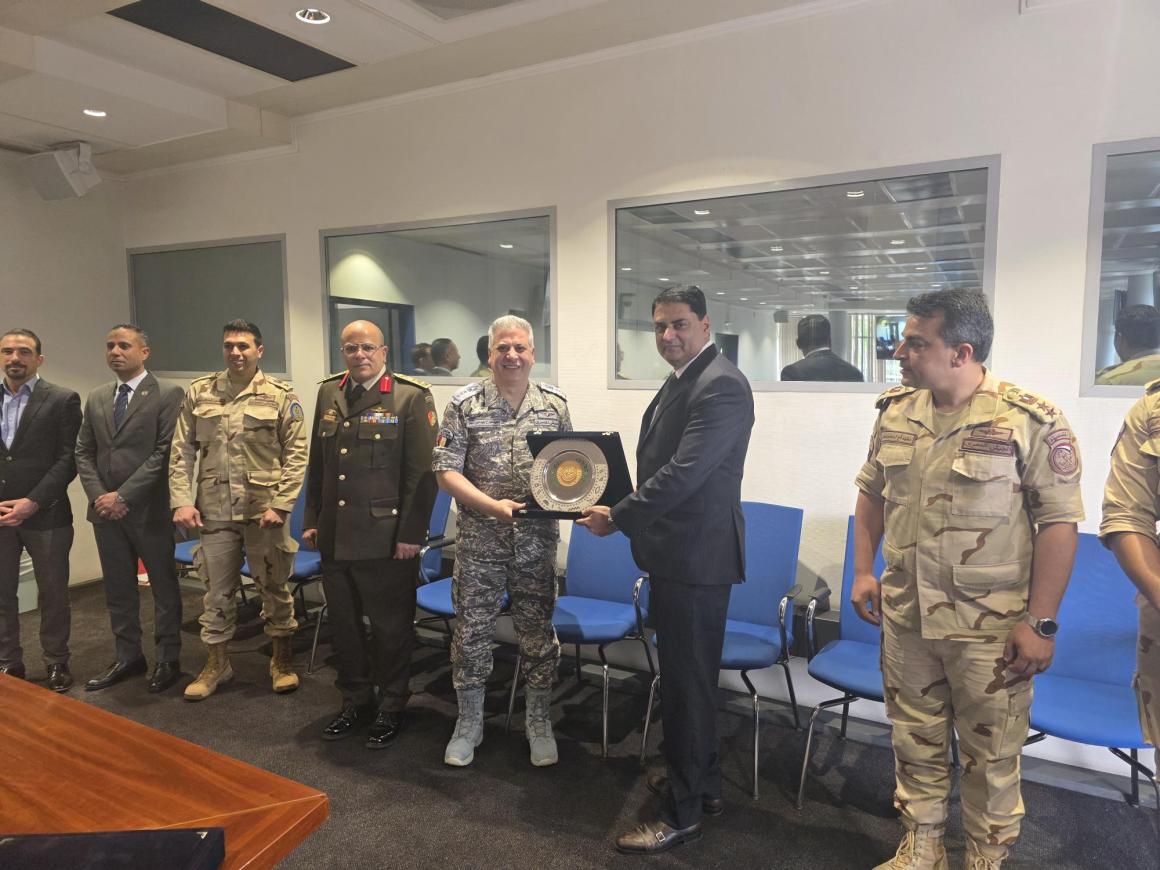
UNOAU offers technical support for AU processes related to supply chain management, mission support, and force generation for AU PSOs. This assistance focuses on strengthening the AU’s capacity in logistics, mobility, and mission sustainment systems, as well as developing policies and SOPs to improve the efficiency and resilience of mission start-up and subsequent phases. UNOAU provides support to key mission support structures, including the AU Continental Logistics Base and the Continental Movement Coordination Centre, both vital components for mission support. Additionally, UNOAU assists in human resources processes, such as enhancing the African Standby Capacity roster in alignment with AU recruitment frameworks. UNOAU further provides advisory and policy support in financial areas and offers support to the AU Peace Fund Board of Trustees regarding policy development, implementation, and operationalization of UNSCR2719.
Strengthening Capacity Building
UNOAU supports and strengthens the AU’s capacity building and operational readiness for AU PSOs through targeted training and technical advisory support. The focus is on enhancing the effectiveness of civilian, military, and police personnel within AU institutions and Regional Economic Communities (RECs)/Regional Mechanisms (RMs). By improving human and institutional capacity, UNOAU contributes to African-led PSOs that are better prepared, coordinated, and responsive to complex security challenges.
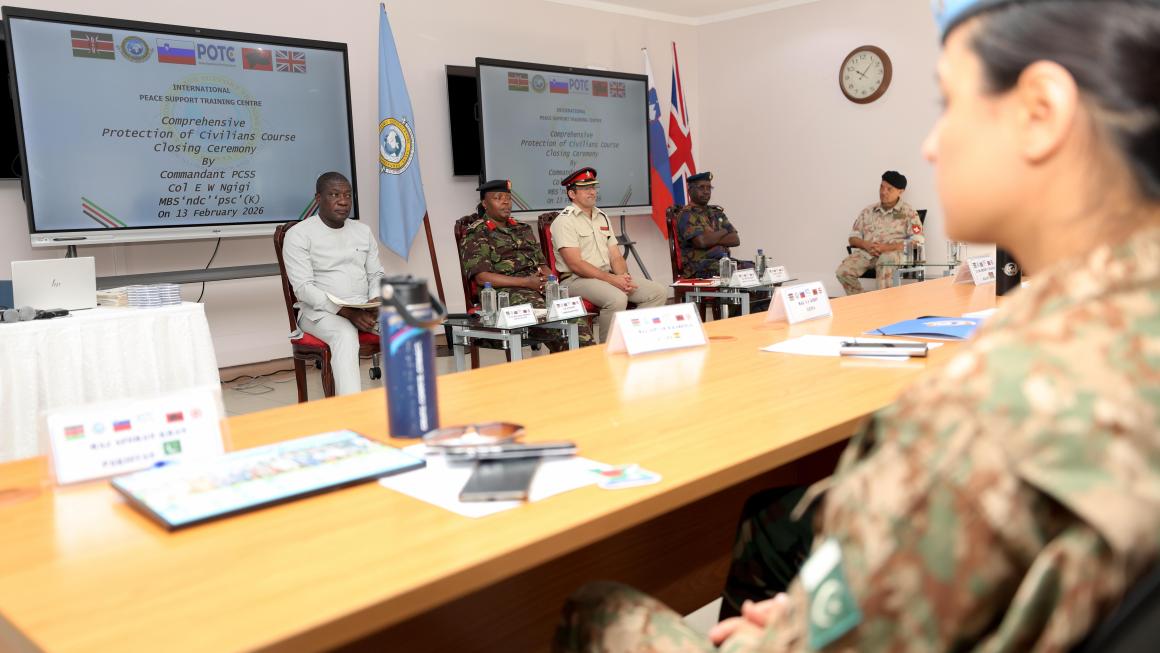
UNOAU assists in designing and delivering training aligned with AU peace and security policies and operational requirements. These training activities benefit AU Headquarters Staff, planners, and mission personnel, emphasizing peace operations planning, mission leadership, integrated approaches, protection of civilians, and compliance frameworks. In addition to training delivery, UNOAU provides technical advisory support to enhance AU training systems and institutional frameworks, including curriculum development, guidance on training standards, and Training of Trainers (ToT) initiatives for sustainable AU-owned capacity.
UNOAU works closely with the AU Commission, RECs/RMs, and accredited peace operations training institutions, ensuring activities are jointly planned and implemented for relevance, ownership, and alignment with AU priorities. Recently, UNOAU has supported the delivery of AU-focused training programs addressing operational planning, leadership, and mission coordination. The Office has facilitated training for approximately 350–450 civilian, military, and police personnel from over 20 AU Member States. Additionally, UNOAU has supported training of trainers’ activities to expand the pool of qualified AU-aligned facilitators at continental and regional levels and has provided technical input and advisory support to AU training frameworks and course materials, contributing to improved standardization and quality.